
Your devices are not faulty
The Telstra Smart Modem Gen 4 ships with three features enabled that older and simpler devices cannot cope with.
Printers, smart TVs, speakers, cameras and smart plugs are the ones that suffer. Phones and laptops are usually fine, which is exactly why it looks like the device has failed rather than the network. Turning the three settings off takes about ten minutes and will not slow your internet down in any way you notice.
Band steering
Gives both radio bands one name and moves devices between them. Most printers only have a 2.4 GHz radio, so they get pushed onto a band they cannot use and vanish.
Wi-Fi 7
The newest standard, on by default. Older hardware often fails to negotiate down to what it supports.
LAN IPv6
Printer discovery was largely built for the older addressing scheme and can behave inconsistently with both running.
The giveaway
Phones work perfectly and only the simple devices struggle. A real internet fault takes everything down at once.
Before you start
Get onto the modem’s network, then open http://192.168.0.1 in a browser and sign in with the password on the sticker.
Change one thing at a time and re-test the device after each one. If you change all three at once and it works, you will never know which mattered — and you may have given up speed you did not need to. Menu labels shift between firmware versions, so go by the setting names rather than the exact path if something does not match.
Step 1 — Turn off LAN IPv6
Settings › LAN, then the LAN / DHCP IPv6 section. Switch Enable to Off and apply.

Settings across the top, then LAN in the row underneath.
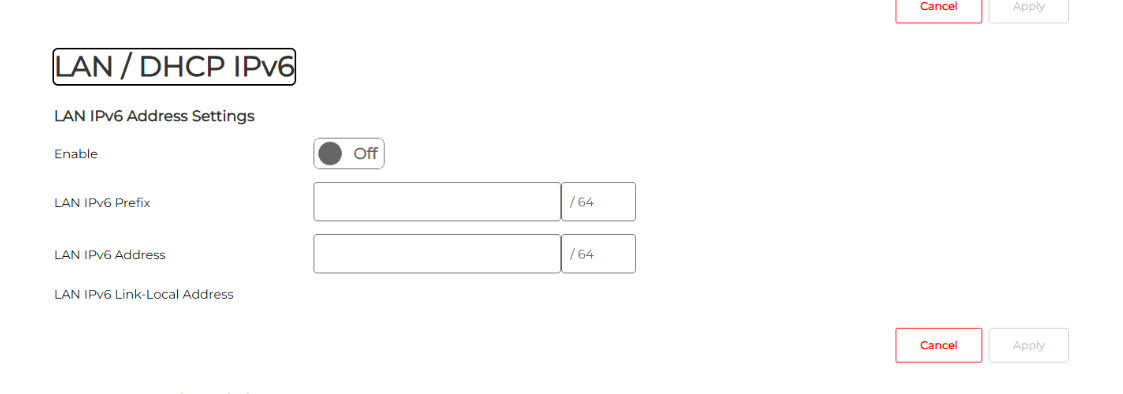
LAN IPv6 off. Leave the prefix and address fields empty.
This only affects IPv6 inside your home. Your internet connection is unchanged and nothing about your speed changes. Re-test the device now — if it works, stop here.
Step 2 — Drop Wi-Fi 7 back to Wi-Fi 6
Wi-Fi Settings › Advanced. Set Wireless Mode to the Wi-Fi 6 option on both the 2.4 GHz and 5 GHz tabs.
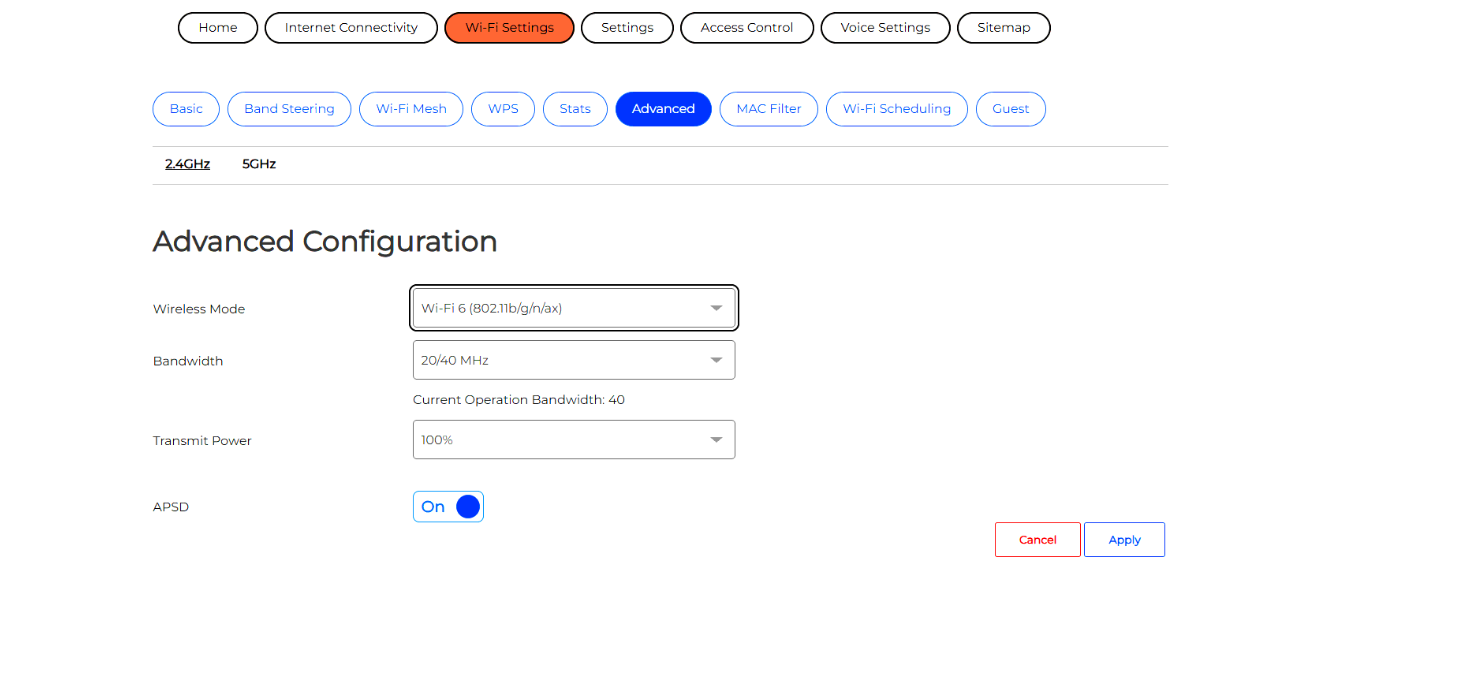
Wireless Mode set to Wi-Fi 6. Repeat on the 5 GHz tab — the bands are separate.
Do this before step 3 — it is not optional. The modem will not let you change Band Steering while Wi-Fi 7 is enabled. Telstra’s own page says so: “When Wi-Fi 7 is enabled BandSteering cannot be switched.” If the Band Steering toggle does nothing, this is why. It is what makes most people give up.
Step 3 — Turn off band steering
Wi-Fi Settings › Band Steering. Switch Enable to Off and apply. This is the change that fixes most printer problems.
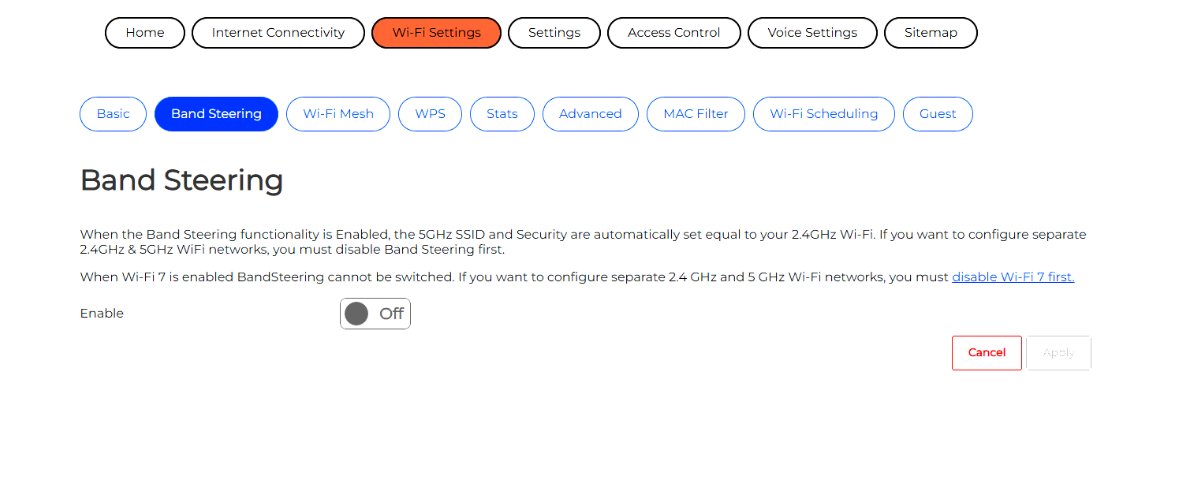
Band Steering off. Note the modem’s own warning about Wi-Fi 7.
Your 2.4 GHz and 5 GHz networks now have separate names, so you will see two entries in the Wi-Fi list instead of one. That is the point: you can join the printer to 2.4 GHz deliberately, by name, and it will stay there. Put phones, laptops and the TV on 5 GHz for speed and everything simple on 2.4 GHz.
Reconnecting the device
Changing the modem is not enough on its own — the device is still holding the old network details.
1. Power-cycle it
Off at the wall for ten seconds, then back on. Not a menu restart.
2. Forget the old network
Remove the saved Wi-Fi on the printer, then join the 2.4 GHz one by name.
3. Re-run discovery
Add the printer fresh on the computer rather than reusing the old entry, which may point at an address that no longer exists.
4. Print something
An actual test page, not a preview.
Service scope: we diagnose hardware faults and handle batteries, software, data, networking and setup. Physical screen, keyboard, charging-port and hinge replacement we refer to a specialist. Pricing shown is our own published rate, current as at August 2026. Any parts are quoted separately for your approval.